

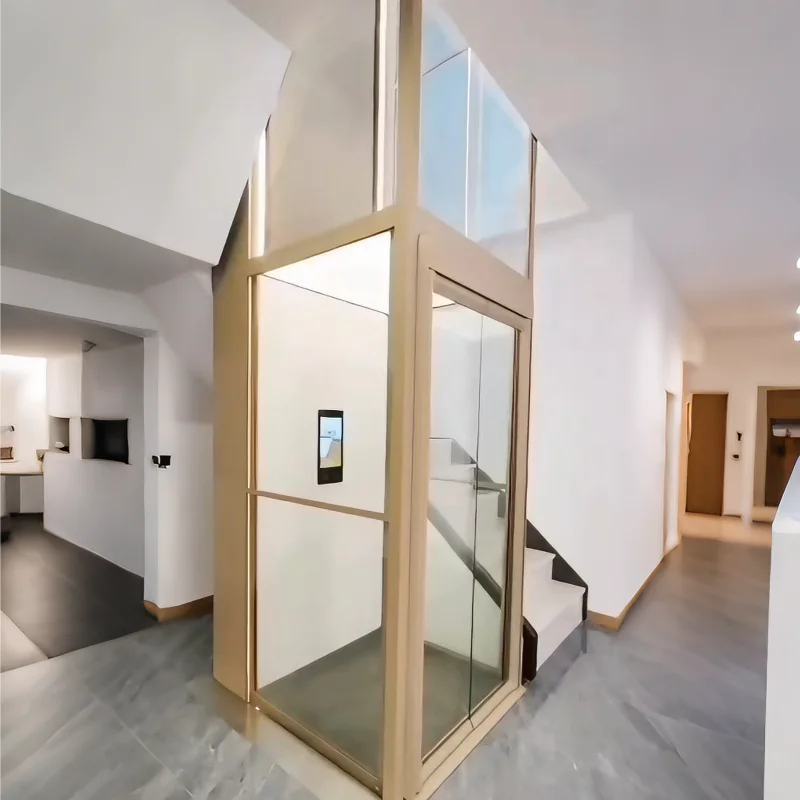
Custom home elevators are becoming more popular as homeowners look for practical ways to improve accessibility, comfort, safety, and long-term property value. Once seen as a luxury reserved for large estates, a custom home elevator is now widely considered a smart residential feature that supports modern living. Rising multigenerational households, aging-in-place trends, compact urban housing, and demand for personalized interior design are all contributing to the growth of the home elevator market.
Today, a Residential Elevator is no longer just about convenience. It is also about future-proofing a home, improving mobility between floors, and creating a more flexible living environment. Whether installed in a new build or added during a renovation, a Custom Residential Elevator can be designed to match the layout, style, and functional needs of the property. This makes it a highly adaptable solution for modern homes of many sizes.
Below is a detailed, SEO-friendly guide explaining what custom home elevators are, why they are growing in demand, their key benefits, common specifications, design options, and the main factors homeowners consider before installation. This content is suitable for blog pages, service pages, directory pages, and industry landing pages.
A custom home elevator is a residential lifting system designed specifically for a private home. Unlike standard off-the-shelf equipment, a custom solution is tailored to the building’s space, floor plan, aesthetic preferences, and functional requirements. The elevator can be configured in terms of cab size, door type, drive system, interior finish, load capacity, and control features.
Custom home elevators are used to transport people, mobility devices, groceries, laundry, and other household items between floors. They are commonly installed in multi-story homes, villas, townhouses, duplexes, and homes renovated for accessibility. Many homeowners choose a custom design because it allows for more flexibility in layout and appearance than a standard model.
In practical terms, a custom residential elevator combines engineering, safety, and design. It must comply with local building codes and safety standards while also blending into the interior of the home. This combination of performance and personalization is one of the main reasons why custom home elevators are gaining attention in the residential market.
The growing popularity of custom home elevators can be explained by several social, architectural, and lifestyle trends. Homeowners today want properties that are more accessible, more comfortable, and better suited to long-term living. A custom elevator addresses all three goals.
One of the most important reasons custom home elevators are becoming more popular is the rise of aging in place. Many homeowners want to remain in their homes as they get older rather than moving to assisted living facilities. Stairs can become difficult or unsafe for people with reduced mobility, joint pain, balance issues, or other age-related challenges.
A residential elevator offers a safe and convenient way to move between floors without physical strain. For aging homeowners, this can make daily living much easier and support independence for many years. For families planning ahead, adding a custom home elevator can be a proactive decision that avoids costly later modifications.
Multigenerational homes are becoming more common in many regions. Families may live with elderly parents, adult children, or relatives with mobility needs. In these households, a custom home elevator improves accessibility for everyone.
Instead of designing a home for a single age group, homeowners are now looking for flexible solutions that work across generations. A residential elevator helps reduce physical barriers, supports inclusive living, and makes it easier to share a multi-level home comfortably.
Convenience is another major factor behind the rise in demand. A home elevator makes everyday tasks easier, especially in larger homes or properties with multiple floors. Moving laundry baskets, luggage, cleaning supplies, shopping bags, and heavy items becomes much simpler.
For busy families, convenience is often just as important as accessibility. A custom elevator eliminates the effort of carrying items up and down stairs, saving time and reducing physical stress. This practical value has helped the residential elevator become a desirable feature in modern home design.
Home renovation projects increasingly focus on customization and lifestyle upgrades. Homeowners are not only improving kitchens and bathrooms; they are also investing in features that improve function over the long term. A custom home elevator fits this trend perfectly because it can be configured to match the home’s layout and style.
Unlike a generic lift, a custom elevator can be integrated into a stairwell, installed in a compact shaft, or designed as a striking interior feature. This flexibility makes it appealing for architects, designers, and homeowners who want a tailored result.
Another reason custom home elevators are becoming more popular is their potential to enhance property value and appeal. In many markets, a home elevator is viewed as a premium feature that can make a property stand out. Buyers often appreciate accessibility, future readiness, and high-end design.
While property value depends on many factors, a well-designed residential elevator can improve the marketability of a home, especially for buyers looking for long-term convenience and accessibility. This makes it a strategic addition for homeowners who plan to sell in the future.
As urban and suburban land becomes more limited, homes are being built vertically rather than horizontally. Narrow lots, townhomes, and compact multi-level layouts often benefit from vertical transportation. A home elevator helps solve the challenge of moving between floors in homes with reduced footprint.
This is especially relevant in modern construction, where homeowners may want more living space on a smaller lot. A custom residential elevator can help maximize usable space and make a multi-story layout feel more practical.
Stairs are one of the common sources of household accidents, especially for young children, older adults, and people with mobility limitations. As homeowners become more safety-conscious, many consider a custom home elevator as a way to reduce the risk of stair-related falls.
Modern elevators include safety mechanisms such as emergency stop systems, sensors, interlocks, backup lowering, and controlled entry. These features make them a trusted mobility solution for families seeking greater peace of mind.
A custom residential elevator offers more than floor-to-floor transportation. It can improve home functionality, interior design, and long-term usability. The following advantages are among the strongest reasons for growing market interest.
The most obvious benefit of a home elevator is improved accessibility. It allows people of different ages and physical abilities to move comfortably between levels. This is especially valuable for wheelchair users, individuals with limited mobility, and people recovering from injury or surgery.
Carrying items upstairs is tiring and sometimes unsafe. A residential elevator reduces this burden and adds everyday convenience. It can make routine tasks easier, especially in larger homes where multiple trips up and down the stairs can be exhausting.
Safety is a major concern in multi-level homes. A custom elevator reduces stair use and can lower the chance of falls. This is particularly beneficial for families with children, elderly residents, or anyone with balance issues.
Installing a custom home elevator is often part of a long-term planning strategy. Homeowners want homes that remain functional as their needs change. An elevator helps make a property more adaptable, which is a key feature in future-proof residential design.
Modern custom elevators come in a wide range of sizes and configurations. Some require relatively little space and can be integrated into existing homes without major structural changes. This flexibility makes them suitable for many different property types.
Unlike older utility-style lifts, a custom residential elevator can be designed to complement the home’s architecture. Finish options may include glass panels, wood veneers, metal details, custom lighting, and coordinated flooring. This makes the elevator both functional and visually attractive.
Although returns vary by market, a home elevator may improve buyer interest and overall property appeal. In some cases, it can support a premium positioning strategy for upscale homes or accessibility-focused properties.
There are several types of custom home elevators, each with different structural and mechanical characteristics. Choosing the right type depends on space, budget, design goals, and installation requirements.
| Elevator Type | How It Works | Main Advantages | Typical Use |
|---|---|---|---|
| Hydraulic Home Elevator | Uses a piston and fluid pressure to move the cab | Smooth ride, proven technology, good load capacity | Traditional multi-level homes and custom builds |
| Traction Home Elevator | Uses ropes, counterweights, and a motorized system | Energy efficient, compact machine options, smooth operation | Homes seeking efficient vertical travel |
| Vacuum Elevator | Uses air pressure differences to move the cab | Small footprint, modern appearance, minimal shaft needs | Compact homes and contemporary designs |
| Shaftless Home Elevator | Moves between floors without a full shaft enclosure | Space-saving, simpler installation, lower structural impact | Retrofits and homes with limited space |
| Machine-Room-Less Elevator | Integrates the drive machinery within the shaft area | Efficient use of space, cleaner layout | Modern custom residential projects |
Homeowners often compare elevator specifications before selecting a system. While exact details vary by model, project, and building codes, the following table shows common residential elevator specification ranges.
| Specification | Common Range | Notes |
|---|---|---|
| Capacity | 300 to 1,000 lbs | Depends on passenger and load requirements |
| Cab Size | Compact to full-size custom dimensions | Configured to match available home space |
| Number of Stops | 2 to 6 or more | Multi-level homes may require more stops |
| Travel Speed | Low to moderate residential speed | Designed for comfort and safety, not commercial speed |
| Drive Type | Hydraulic, traction, vacuum, shaftless | Chosen based on space and performance goals |
| Door Type | Swing, sliding, automatic, telescopic | Selected to fit interior layout and access needs |
| Installation Space | Varies by system | Custom planning helps reduce space conflicts |
| Power Supply | Residential electrical connection | Electrical requirements depend on the elevator type |
| Safety Features | Emergency stop, alarms, sensors, interlocks | Standard and optional features improve user protection |
Custom home elevators are popular partly because they can be personalized. Homeowners often choose features that make the elevator more convenient, more attractive, and better suited to the household.
Accessibility is one of the strongest drivers of the custom home elevator trend. A well-designed residential elevator can significantly reduce barriers inside a home. This matters not only for permanent wheelchair users, but also for anyone who may temporarily need easier access after surgery, injury, or during recovery.
Accessibility design often includes wider doors, easy-to-reach controls, non-slip flooring, level thresholds, and cab dimensions that allow easy entry and exit. In some homes, the elevator is planned from the beginning as part of universal design. In others, it is added later to improve mobility and independence.
From a usability perspective, a custom home elevator can make all floors of a home equally accessible. This improves daily living and helps ensure that bedrooms, bathrooms, kitchens, and other essential spaces remain usable over time.
Customization is one of the defining factors that separates a custom home elevator from a standard residential lift. Every home is different. Ceiling heights, floor plans, stair layouts, structural walls, and interior themes vary widely. A custom solution allows the elevator to fit the home rather than forcing the home to fit the elevator.
Customization can apply to:
This level of flexibility is especially important in renovation projects where available space may be limited. A custom design helps homeowners achieve both functionality and visual harmony. Because of that, custom residential elevators are often seen as better long-term investments than generic solutions.
Before installing a custom home elevator, homeowners should review several practical considerations. These factors help determine feasibility, cost, timing, and long-term performance.
Space is often the first consideration. The elevator must fit within the building structure while maintaining enough room for doors, mechanical components, and safe access. Some systems require a shaft, while others need less structural modification.
The home’s structure affects where and how the elevator can be installed. Load-bearing walls, ceiling height, and floor openings all play a role in the final design. In some cases, structural reinforcement may be required.
Custom home elevators must comply with local regulations and building codes. These rules may cover dimensions, access, emergency systems, installation methods, and inspection requirements. Code compliance is essential for safe operation and legal approval.
Different elevator types require different electrical setups. Homeowners should evaluate whether the property can support the chosen system and whether upgrades are needed.
Installation cost is only one part of the decision. Homeowners also consider maintenance, energy use, replacement parts, and long-term value. A well-planned custom elevator can provide useful service for many years.
Some homeowners prioritize a discreet installation, while others want the elevator to become a visual centerpiece. Defining the design goal early helps guide the type of elevator and finish options selected.
Many people compare a custom home elevator with a standard residential lift. While both provide vertical transportation in a house, they are not the same in flexibility or design scope.
| Feature | Custom Home Elevator | Standard Residential Lift |
|---|---|---|
| Design Flexibility | High | Limited |
| Space Fit | Tailored to home layout | More fixed dimensions |
| Appearance | Highly customizable | Basic or preset finishes |
| Accessibility Options | Wide range of customizable features | Standard features |
| Structural Integration | Can be integrated into new or existing homes | Often limited by preset design |
| Use Case | Homes needing tailored performance and style | Simple vertical movement needs |
Custom home elevators are valuable for a wide range of homeowners. The following groups often benefit most:
In many cases, the elevator solves more than one problem. It may improve safety, help aging parents, reduce strain during daily chores, and add long-term convenience all at once.
Like any mechanical system, a custom home elevator requires periodic maintenance to stay in good working order. Regular service helps ensure smooth operation, safety, and long-term reliability. Typical maintenance may include inspections, lubrication, testing of controls, and checking of safety features.
Homeowners should also learn basic operating procedures and understand how the system behaves during a power outage or other interruption. Many residential elevators are designed with backup safety systems and clear operating instructions.
Proper maintenance is important not only for performance but also for protecting the investment. A well-maintained custom residential elevator can deliver dependable service for many years.
For content planning, internal linking, and topic clustering, the following keyword themes are commonly associated with custom home elevators:
Using these terms naturally throughout a page can help reinforce topical relevance for search engines while keeping the content useful for readers. The key is to focus on clear definitions, practical advantages, and factual comparisons rather than keyword stuffing.
No. While custom home elevators are often associated with luxury properties, they are also used for accessibility, aging in place, and practical household convenience in many types of homes.
Yes. Many custom home elevators are installed in existing homes during renovation projects. The feasibility depends on space, structure, and local code requirements.
Yes. One of the biggest benefits of a residential elevator is improved accessibility for people with mobility limitations, older adults, and wheelchair users.
The main advantage is flexibility. A custom home elevator can be adapted to the home’s layout, design style, and user needs, making it more functional and visually integrated.
When properly designed, installed, and maintained, residential elevators include multiple safety features and can provide a secure way to travel between floors.
Custom home elevators are becoming more popular because they solve real problems while adding long-term value. They improve accessibility, support aging in place, enhance safety, and make multi-level homes easier to live in. At the same time, they offer the design flexibility modern homeowners want. Whether installed for mobility, convenience, or future planning, a custom home elevator is increasingly viewed as a smart residential upgrade rather than a rare luxury.
As housing trends continue to favor personalization, accessibility, and vertical living, the demand for custom residential elevators is expected to remain strong. For homeowners, builders, and designers, this makes the home elevator a relevant and forward-looking feature in modern property development.
If you are creating an industry page, service landing page, or blog article, this topic works well for SEO because it combines high-interest keywords such as custom home elevator, residential elevator, home elevator installation, and elevator for home accessibility with practical, search-friendly information that users actively want to read.
Trang web này sử dụng cookie để đảm bảo bạn có được trải nghiệm tốt nhất trên trang web của chúng tôi.
 English
 ไทย
ไทย Indonesia
 Filipino



 Điện thoại
Bình luận
(0)