

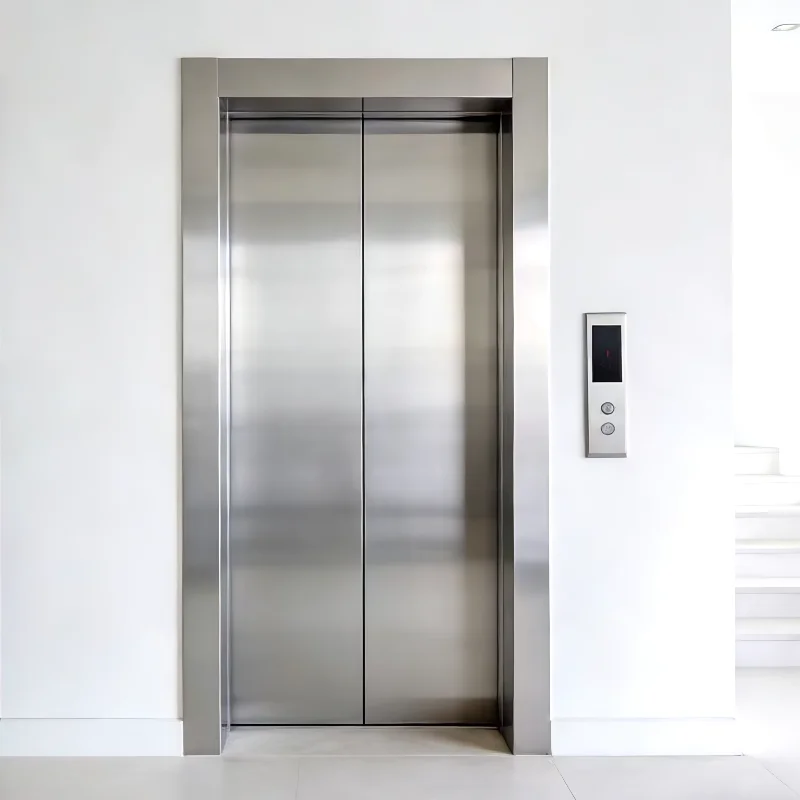
Choosing the best home elevator manufacturer is one of the most important decisions for homeowners, builders,
architects, and accessibility planners who want to improve mobility, comfort, and long-term property value. A home elevator is
more than a luxury feature. It is a practical accessibility solution that supports multi-level living, aging in place, improved
safety, and modern interior design. Because the market includes many product types, technical options, and installation
requirements, selecting the right home elevator manufacturer requires careful evaluation of quality, safety,
engineering, customization, service, and compliance.
This guide provides a detailed, SEO-friendly overview of how to choose a Residential Elevator manufacturer based on
industry standards and practical buying factors. It is written for users searching for information about home lift
manufacturers, private home elevators, residential elevator systems, and related
accessibility products. The content below focuses on general industry knowledge only, without recommending specific companies.
A home elevator manufacturer is a company that designs, engineers, fabricates, tests, and supplies elevator systems
specifically for residential properties. These systems are typically built for single-family homes, duplexes, villas, townhouses,
luxury residences, and low-rise private buildings. Unlike commercial elevators, residential elevator systems are usually more
compact, quieter, and more customizable to fit the space constraints and aesthetic expectations of homes.
A professional home elevator company may produce complete elevator packages or key components such as cabin
structures, drive systems, control panels, safety devices, doors, rails, and cab interior finishes. Some manufacturers also provide
design support, site surveys, installation guidance, maintenance, and after-sales service. The best home elevator manufacturer is
usually one that balances performance, safety, aesthetics, and long-term reliability.
The manufacturer determines the overall quality of the elevator system. Even when two products appear similar, the difference in
engineering precision, component durability, control logic, and installation support can be significant. A trusted
residential elevator manufacturer helps reduce safety risks, improve system longevity, and deliver a smoother user
experience.
When comparing manufacturers, buyers should understand that the elevator itself is a long-term asset. It affects daily convenience,
property value, maintenance costs, and the safety of elderly family members, children, and users with limited mobility.
Choosing the wrong supplier can lead to noise, frequent breakdowns, expensive repairs, poor energy efficiency, and difficult
compliance issues.
Home elevators offer several important advantages for homeowners and property developers. These benefits are a major reason why
demand for residential lifts and home elevator systems continues to grow worldwide.
| Benefit | Description |
|---|---|
| Improved Accessibility | Makes multi-floor living easier for elderly users, people with disabilities, and families carrying heavy items. |
| Aging in Place | Allows homeowners to remain in their homes longer without relocating due to mobility challenges. |
| Safety | Reduces stair-related accidents and helps users move between floors safely and comfortably. |
| Property Value | Can increase the market appeal and resale value of a home, especially in premium and accessible housing segments. |
| Convenience | Supports everyday movement of luggage, groceries, laundry, and household items. |
| Interior Enhancement | Modern home elevator designs can improve the visual style and sophistication of a property. |
Understanding the main types of residential elevators helps buyers choose the best manufacturer for their project. Different
technologies have different installation needs, cost structures, and maintenance requirements.
| Type | Main Features | Typical Use |
|---|---|---|
| Hydraulic Home Elevator | Smooth ride, strong lifting capacity, requires machine space and hydraulic system. | Homes needing reliable performance and moderate customization. |
| Traction Home Elevator | Uses ropes and counterweights, often energy-efficient and space-saving. | Modern homes seeking efficient performance and low operating cost. |
| Machine Room-Less (MRL) Elevator | Does not require a separate machine room, compact design, suitable for limited spaces. | Residential projects with space constraints and clean architectural layouts. |
| Pneumatic Vacuum Elevator | Air-driven system, transparent design, minimal structural modification. | Homes looking for a stylish and lightweight vertical mobility solution. |
| Shaftless Home Elevator | Simple installation, limited travel height, minimal civil works. | Low-rise houses or retrofit projects with small footprint requirements. |
Selecting the best home elevator manufacturer is not only about comparing price quotes. It involves evaluating product quality,
compliance, service support, customization, and the manufacturer’s ability to deliver a solution that fits the home’s structure and
the user’s daily needs. The following factors are critical when reviewing any home lift manufacturer.
Safety is the first requirement in any residential elevator purchase. The manufacturer should clearly support applicable safety
standards, testing protocols, and documentation. Buyers should look for evidence of product testing, quality control, and
manufacturing procedures that align with recognized elevator safety expectations.
A reliable residential elevator manufacturer should provide information about overload protection, emergency stop
systems, battery lowering or rescue functions, door interlocks, anti-slip flooring, emergency communication options, and cabin
safety devices. Ask how the product meets local building regulations and what documentation is available for inspectors or
architects.
Experience matters because residential elevator projects often require integration with home design, structural constraints, and
user preferences. A manufacturer with broad project experience is more likely to understand varying building layouts, climate
conditions, installation challenges, and maintenance expectations.
Buyers should review how long the company has been operating in the home elevator market, what types of residential projects it has
supported, and whether it has experience with both new construction and retrofit installations. Long-term expertise often indicates
better engineering discipline and more stable service practices.
The best home elevator manufacturer typically offers more than one solution. A broad product range makes it easier to match the
elevator type with the building layout, budget, and design goals. Flexibility is especially important in homes with limited space,
unusual floor plans, or special accessibility needs.
Check whether the manufacturer offers different drive systems, cabin sizes, load capacities, door styles, control panels, interior
finishes, and shaft options. A strong manufacturer should be able to adapt the elevator to both functional and visual
requirements without compromising safety.
Every home elevator has structural implications. Some systems require a shaft, pit, overhead clearance, or machine space, while
others can be installed with simpler building modifications. Before selecting a manufacturer, understand the actual civil work
required and whether the product can fit your home without major reconstruction.
This is especially important for retrofit projects. A manufacturer that provides detailed dimensional drawings and technical site
guidance can save time, reduce installation errors, and improve project planning. Structural compatibility is often one of the most
overlooked but decisive factors in choosing a home elevator system.
Load capacity and cabin dimensions should match the real usage pattern of the household. A single-user lift does not need the same
space as a family-oriented elevator used for wheelchairs, strollers, or household freight. The manufacturer should provide clear
capacity options and size charts.
| Specification | Common Range | Selection Guidance |
|---|---|---|
| Passenger Capacity | 2 to 6 persons | Choose based on family size, mobility needs, and daily use. |
| Load Capacity | 250 kg to 450 kg | Higher capacity is useful for wheelchairs and multiple users. |
| Travel Height | Up to 2 to 6 floors in many residential cases | Match the number of floors and actual lifting requirement. |
| Cabin Dimensions | Compact to medium-sized | Must fit the available building space and accessibility needs. |
| Door Type | Manual, automatic, sliding, swing | Select based on convenience, space, and user safety. |
Residential buyers often want a lift that blends into the home’s design. That means customization is important. A good
home elevator manufacturer should offer choices in cabin finishes, lighting, controls, door materials, glass
panels, handrails, flooring, and color themes.
Customization is not only about appearance. It also includes functional adjustments such as accessibility-friendly button placement,
voice prompts, low-threshold entry, emergency backup systems, and smooth acceleration/deceleration. The more adaptable the
manufacturer, the better the final result can be tailored to the household.
A home elevator should operate safely and consistently for many years. This depends on engineering quality and durable components.
Manufacturers should use strong materials, precise manufacturing processes, and reliable control systems. Ask about the origin and
lifespan of critical parts such as motors, drive units, sensors, rails, control boards, and door mechanisms.
Durability is especially important in residential settings where users expect quiet operation, minimal vibration, and low
maintenance. A better-engineered elevator typically requires fewer service calls and provides a more comfortable ride.
Even the best home elevator systems require periodic inspection and maintenance. Therefore, manufacturer support is a major factor
in long-term ownership. Buyers should ask how maintenance is handled, what service intervals are recommended, and whether spare
parts are readily available.
A strong after-sales system should include technical support, installation guidance, troubleshooting help, parts supply, warranty
coverage, and clear service documentation. Without proper support, even a high-quality product can become difficult to operate over
time.
Energy consumption is increasingly important for homeowners seeking cost-effective and sustainable building solutions. Different
elevator technologies consume energy differently. Efficient drive systems can reduce power usage and lower operating expenses over
the life of the product.
When reviewing manufacturers, ask about standby power consumption, motor efficiency, regenerative options, and smart control
features. Energy-efficient design is particularly valuable for homes where the elevator will be used frequently.
In a home, comfort is just as important as performance. A residential elevator should operate quietly, with minimal vibration and
smooth floor-to-floor movement. Poor noise control can affect the living experience and reduce satisfaction with the product.
A reputable manufacturer will pay attention to acoustic design, cab insulation, motor selection, guide system quality, and cabin
movement smoothness. These details make a noticeable difference in daily use and are often part of the reason one
home elevator company is better than another.
Before making a final decision, ask direct questions to compare manufacturers accurately. The answers should be specific, clear,
and supported by technical documents whenever possible.
| Question | Why It Matters |
|---|---|
| What safety standards does the elevator comply with? | Confirms legal and technical suitability for residential use. |
| What is the rated load capacity and cabin size? | Ensures the product meets actual user needs. |
| What structural work is required for installation? | Helps estimate renovation complexity and cost. |
| What warranty and after-sales support are included? | Protects long-term ownership value. |
| How often is maintenance required? | Determines long-term operating responsibility. |
| Can the design be customized? | Important for architecture and interior integration. |
| Are spare parts available locally or globally? | Reduces downtime and future repair delays. |
| What is the estimated installation timeline? | Helps with project planning and scheduling. |
Below is a general specification table that can help homeowners compare common home elevator features. Exact values vary by
manufacturer, model, and installation environment.
| Specification Category | Typical Residential Range | Notes |
|---|---|---|
| Drive Type | Hydraulic, traction, MRL, pneumatic | Each has different space, cost, and maintenance implications. |
| Rated Capacity | 250 kg to 450 kg | Suitable for one to several users or mobility equipment. |
| Speed | Low to moderate residential speed | Designed for comfort and safety rather than high traffic volume. |
| Stops | 2 to 6 stops | Depends on house height and travel requirements. |
| Power Supply | Single-phase or three-phase options | Selection depends on product design and local electrical setup. |
| Noise Level | Low-noise design preferred | Quiet operation is essential in residential environments. |
| Safety Features | Emergency stop, alarm, interlocks, backup lowering | These are essential for user protection. |
| Interior Finish | Glass, stainless steel, wood, laminate, custom panels | Aesthetic customization is common in homes. |
Many buyers focus on appearance or initial price while ignoring long-term technical and service issues. This often leads to
dissatisfaction later. Avoid the following mistakes when selecting a best home elevator manufacturer.
For website publishers, blog editors, and directory page builders, using related keywords can improve visibility in search engines.
The following terms are commonly associated with this topic and may help support SEO relevance when used naturally in content:
The best manufacturers can support a variety of project types. This includes new luxury homes, renovations, accessibility upgrades,
aging-in-place modifications, and small-space retrofits. Different projects require different product decisions, technical
drawings, and installation approaches.
| Project Type | Main Requirement | Manufacturer Priority |
|---|---|---|
| New Construction | Integration with architectural plans | Early design coordination and flexible customization |
| Retrofit Installation | Minimal structural change | Compact design and accurate site survey support |
| Accessibility Upgrade | Safe, easy access for mobility-impaired users | Safety features and user-friendly controls |
| Luxury Residence | High-end visual appeal | Premium finishes and quiet operation |
| Multi-Generational Home | Reliable daily use by users of different ages | Durability, comfort, and simple operation |
A manufacturer that deserves strong consideration usually shows several positive signs. These signs help buyers identify a
trustworthy supplier in a competitive market.
Use the following checklist to compare manufacturers during procurement or research. This can be especially helpful for blogs,
lead-generation pages, and commercial directory listings.
| Checklist Item | Yes/No |
|---|---|
| Provides clear product specifications | |
| Offers safety certifications or compliance documents | |
| Supports custom cabin design | |
| Provides installation guidance and site drawings | |
| Has maintenance and spare parts support | |
| Offers clear warranty terms | |
| Fits the available space in the home | |
| Meets load and passenger requirements | |
| Matches budget and long-term value goals |
Homeowners and specifiers often compare a few core criteria again and again. These include price, safety, size, installation
complexity, customization, maintenance, and design. However, the most successful purchase decisions balance all of these
factors rather than focusing on only one.
A low-cost product may look attractive at first, but a superior home elevator manufacturer should deliver better
value through safety, reliability, low noise, simple operation, and strong support. In a residential setting, user comfort and
long-term dependability are just as important as initial purchase cost.
Selecting the best home elevator manufacturer requires a structured evaluation of safety, product range, customization, structural
fit, durability, maintenance, and service quality. Whether the goal is accessibility, convenience, luxury, or aging in place, the
right manufacturer should provide a residential elevator solution that is safe, efficient, attractive, and built for long-term
performance.
When comparing home elevator manufacturers, use technical data, compliance information, specification tables, and
service terms to make an informed decision. A well-chosen residential elevator system can enhance daily living,
improve home value, and create a more comfortable future for every user in the household.
```
Trang web này sử dụng cookie để đảm bảo bạn có được trải nghiệm tốt nhất trên trang web của chúng tôi.
 English
 ไทย
ไทย Indonesia
 Filipino



 Điện thoại
Bình luận
(0)