
 English
 ไทย
ไทย Indonesia
 Filipino
Thiết kế thang máy thủy lực
A hydraulic elevator is a vertical transportation system that uses the power of pressurized fluid to move a cab between floors. It is widely used in low- to mid-rise buildings because of its simple structure, reliable operation, and strong lifting capacity. The basic design of a hydraulic elevator includes several main components: the elevator cab, a piston or plunger, a hydraulic cylinder, a pump unit, control valves, a fluid reservoir, guide rails, and a safety system.The working principle is based on hydraulic pressure. When the elevator is called to rise, an electric motor drives a pump that forces hydraulic oil from the reservoir into the cylinder. As the oil enters the cylinder, it pushes the piston upward. The piston movement lifts the elevator cab along the guide rails. To stop at a desired floor, the control valves regulate the oil flow and maintain stable movement. When the cab needs to descend, the valves release the fluid back into the reservoir. The elevator then lowers smoothly under the combined effect of gravity and controlled oil flow. This method allows for precise speed control and a comfortable ride.One of the main advantages of hydraulic elevator design is its ability to handle heavy loads efficiently. Because the lifting force comes from hydraulic pressure, these elevators can transport passengers, goods, and equipment with high stability. They are also easier to install in buildings that do not require very tall travel distances. Unlike traction elevators, hydraulic systems do not need a machine room at the top of the shaft, which can simplify building design in some cases.Safety is a critical part of hydraulic elevator design. Modern systems include overload protection, emergency descent devices, pressure relief valves, and anti-fall mechanisms. In the event of power failure, many designs allow the cab to be lowered manually or automatically to the nearest floor. Guide rails help keep the cab aligned and reduce vibration, improving both safety and comfort.Energy efficiency and maintenance are important design considerations. Hydraulic elevators generally consume more power during upward travel because the pump must create enough pressure to lift the cab. However, they are often cost-effective for buildings with limited floors and moderate traffic. Regular maintenance is needed to check oil levels, inspect seals, prevent leaks, and ensure the valves and pump operate properly. Good maintenance improves performance and extends service life.In summary, hydraulic elevator design combines mechanical strength, fluid power, and safety controls to provide a dependable vertical transportation solution. Its simple structure, strong lifting ability, and smooth operation make it a practical choice for many buildings.
Sản phẩm
Danh mục:
-
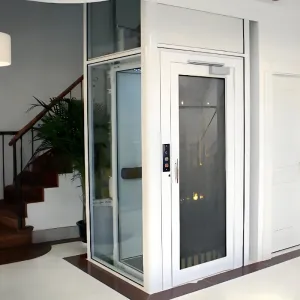
Biệt thự tự xây Máy kéo thủy lực Thang máy gia đình Lắp đặt ngoài trời trong nhà
Phân loại của họ: Thang máy gia đình kiểu ba lô thủy lựcLượt xem: 140Số:Thời gian phát hành: 2026-07-08 14:20:29Biệt thự tự xây Máy kéo thủy lực Thang máy gia đình Lắp đặt ngoài trời trong nhà
Tin tức
Danh mục:
Không có kết quả tìm kiếm!
Trường hợp
Danh mục:
Không có kết quả tìm kiếm!
Video
Danh mục:
Không có kết quả tìm kiếm!
Tải về
Danh mục:
Không có kết quả tìm kiếm!
Tuyển dụng
Danh mục:
Không có kết quả tìm kiếm!
Sản phẩm được đề xuất
Không có kết quả tìm kiếm!



 Điện thoại