

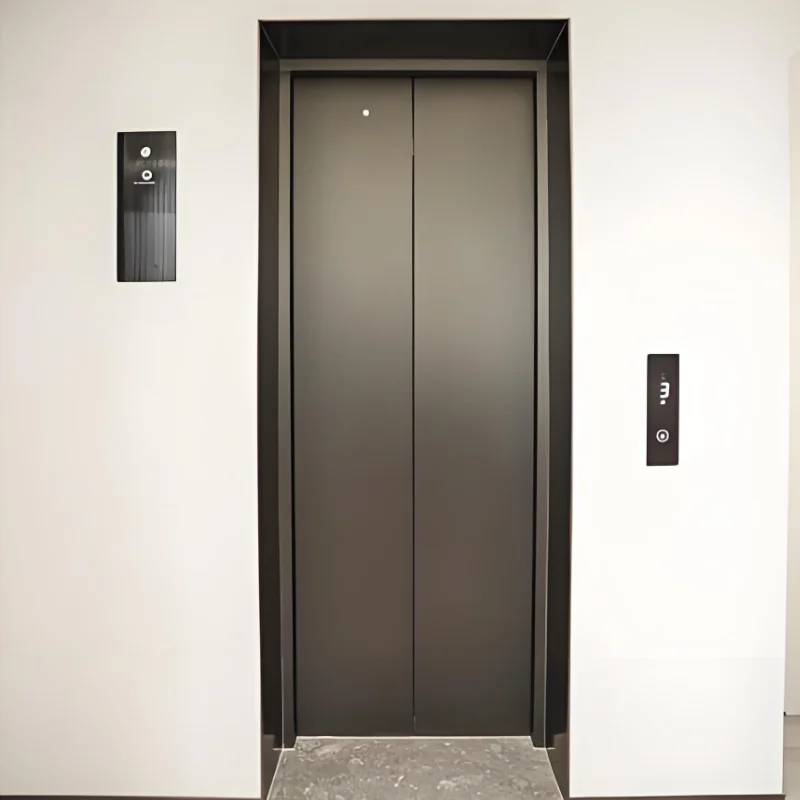
Residential elevators are no longer viewed as a luxury reserved only for large estates or high-end custom homes. Today, they are increasingly recognized as a practical, future-ready home upgrade that can improve daily comfort, support multigenerational living, and add measurable appeal in the real estate market. For homeowners, builders, architects, and property investors, understanding how residential elevators increase property value is essential when planning a renovation, custom build, or accessibility-focused improvement.
In a competitive housing market, buyers often look for features that make a home more functional, more accessible, and more distinctive. A well-designed home elevator can help a property stand out by offering convenience, long-term usability, and a premium lifestyle experience. In many cases, residential elevators also support aging in place, making the home more attractive to a wider range of buyers. While the exact return on investment depends on location, property type, design quality, and market conditions, the presence of a home elevator can strengthen marketability and perceived value.
This guide provides a clear, SEO-friendly overview of the topic, including definitions, benefits, typical specifications, buyer appeal, installation factors, and a comparison table. It is designed for direct use in blog posts, directory pages, service pages, and industry content focused on residential elevators, home elevator value, and property value improvement.
A residential elevator is a compact vertical transportation system installed in a private home to move people, groceries, luggage, mobility devices, or household items between floors. Unlike commercial elevators, residential elevators are typically designed for smaller traffic volumes, lighter duty cycles, and more flexible installation requirements. They may be installed in new construction or retrofitted into existing homes depending on the system type and available space.
Residential elevators are commonly used in:
Modern home elevators are available in several technologies, including hydraulic, traction, drum-driven, vacuum, and machine-room-less configurations. Each type offers different advantages in terms of space, cost, ride quality, maintenance, and installation complexity.
One of the main reasons residential elevators increase property value is that they improve both practical function and emotional appeal. Real estate value is not determined only by square footage or construction quality. Buyers also evaluate convenience, accessibility, lifestyle benefits, and future usability. A home elevator addresses all of these considerations.
Here are the primary value drivers:
Accessibility is one of the strongest arguments for installing a home elevator. As more buyers plan for long-term living, features that reduce stair dependence are increasingly desirable. A residential elevator makes every floor easier to access for older adults, individuals with temporary or permanent mobility limitations, and families with strollers, heavy packages, or injuries.
In real estate terms, accessibility expands the potential buyer pool. A property that is easier to live in for a wider range of residents often has stronger resale appeal.
Many homeowners want to remain in their homes as they grow older. A residential elevator supports this goal by reducing the physical strain of stairs and helping residents stay in the home longer. Buyers who are planning for the future may view the elevator as a strategic, long-term improvement rather than a simple convenience.
This aging-in-place benefit is especially important in two-story and three-story homes, where stairs may become a concern over time. Homes with elevators often feel more future-proof and lifestyle-oriented.
Home elevators are often associated with high-end real estate, custom architecture, and upscale living. Even when the elevator serves a practical purpose, it can enhance the overall perception of the home. Buyers may interpret the presence of a residential elevator as a sign of thoughtful design, premium finishes, and elevated quality.
In luxury markets, this impression matters. A property with a well-integrated elevator can stand out from comparable homes without one.
Convenience is one of the most direct ways a residential elevator adds value. Moving between floors with laundry, groceries, cleaning supplies, luggage, or furniture becomes easier and safer. Families often appreciate the time-saving benefit, especially in larger homes where stair use is frequent.
Convenience features often influence purchasing decisions because buyers prefer homes that support a smoother daily routine.
Homes with residential elevators can attract several buyer segments at once, including:
By appealing to more than one market segment, the home may become easier to sell and potentially more valuable in the eyes of buyers.
The exact value increase depends on many variables, including local market demand, home size, installation quality, and buyer preferences. In some neighborhoods, a residential elevator may be seen as a major differentiator. In others, it may be appreciated primarily for accessibility or convenience rather than as a direct one-to-one financial return.
In general, the value impact may be influenced by:
For SEO and market positioning purposes, it is more accurate to say that a residential elevator can increase perceived value, improve resale potential, and enhance marketability rather than guarantee a fixed return. Homes with strong elevator design often gain a competitive edge in their segment.
Residential elevators offer practical and lifestyle benefits that contribute to the overall desirability of a home. These advantages matter not only for current occupants but also for future buyers.
| Benefit | How It Supports Property Value | Buyer Impact |
|---|---|---|
| Accessibility | Makes the home usable for more people and life stages | Expands buyer pool |
| Aging in place | Supports long-term occupancy and future planning | Boosts long-term appeal |
| Convenience | Improves daily function and reduces stair use | Enhances lifestyle value |
| Luxury image | Creates a premium, high-end property impression | Strengthens perceived quality |
| Space efficiency | Can be integrated into a compact footprint in some designs | Supports modern home planning |
| Safety | Reduces stair-related strain and carrying risks | Appeals to families and seniors |
When evaluating home accessibility upgrades, it is useful to compare residential elevators with other solutions such as stair lifts and ramps. While these alternatives may provide accessibility benefits, they do not usually offer the same level of property value enhancement as a full residential elevator.
| Feature | Residential Elevator | Stair Lift | Ramp |
|---|---|---|---|
| Multi-floor access | Yes | Limited | Usually no |
| Luxury appeal | High | Low to moderate | Low |
| Property value impact | Often stronger | Limited | Limited |
| Visual integration | Can be highly integrated | Often visible equipment | Exterior space required |
| Buyer perception | Premium and modern | Primarily functional | Accessibility-focused |
For homeowners focused on increasing property value with a home elevator, the elevator is usually the more impactful upgrade when space, budget, and structure allow.
Residential elevators are especially attractive in certain property types. In these settings, the lift may contribute more strongly to both usability and real estate value.
Luxury residences often benefit the most from elevators because buyers in this market expect premium convenience and distinctive features. In upscale properties, an elevator can function as both a lifestyle upgrade and a design statement.
Homes with two or more upper levels often gain the most practical advantage from a residential elevator. The more frequently stairs are used, the more valuable the elevator becomes as a day-to-day convenience feature.
Families living with parents, grandparents, or extended relatives often prioritize accessibility and ease of movement. A residential elevator can make shared living arrangements more comfortable and future-ready.
Homes designed or remodeled with long-term living in mind often include elevators as part of a broader accessibility strategy. This is especially relevant in retirement-focused communities and custom home projects.
In vacation homes, especially those with multiple floors or raised construction, elevators can improve convenience for guests and owners carrying luggage, groceries, or beach equipment. This can increase rental attractiveness and resale appeal.
Not all residential elevators contribute equally to property value. Several design and performance factors affect how buyers perceive the installation.
| Feature | Why It Matters | Value Influence |
|---|---|---|
| Quiet operation | Improves comfort and reduces noise concern | High |
| Elegant cab design | Enhances visual appeal and luxury feel | High |
| Compact footprint | Saves space in the home layout | Medium to high |
| Energy efficiency | Supports lower operating costs | Medium |
| Safety features | Boosts confidence and user trust | High |
| Easy maintenance access | Reduces long-term service burden | Medium |
Buyers are more likely to value a residential elevator when it feels like a natural part of the home rather than an afterthought. Seamless architectural integration, attractive finishes, and modern controls all contribute to stronger property appeal.
Specifications vary by manufacturer, system type, and building requirements, but the table below gives a general overview of common residential elevator characteristics. These details can help homeowners and readers understand how home elevators are typically configured.
| Specification | Typical Range / Example | Notes |
|---|---|---|
| Capacity | Up to 750–1,000 lb | Depends on model and code requirements |
| Speed | Approx. 20–40 feet per minute | Residential systems move at lower speeds than commercial elevators |
| Floor stops | 2 to 4+ stops | Some systems can serve more levels |
| Drive types | Hydraulic, traction, drum, vacuum | Each drive type has different advantages |
| Footprint | Varies by design | Some compact models are suitable for retrofit projects |
| Power requirements | System-dependent | May require dedicated electrical service |
| Door style | Automatic, swing, or sliding | Chosen based on layout and safety needs |
| Cab style | Customizable finishes | Wood, glass, metal, and premium interior options are common |
From a resale perspective, a residential elevator can help a home sell faster or stand out in a crowded market. Buyers often compare homes based on convenience and future suitability, not just price. A property with an elevator may feel more complete, more adaptable, and more attractive to buyers who want both style and function.
The resale effect is often strongest when:
In many cases, the elevator becomes a highlighted selling point in listings, open houses, and buyer tours. Real estate agents may position it as an accessibility benefit, a luxury amenity, or a long-term livability feature depending on the target audience.
Not every Residential Elevator Installation will affect property value in the same way. The final impact depends on planning, execution, and integration. Poorly placed or visually disruptive systems may add less value than a thoughtfully designed one.
When the elevator is aligned with the overall home design, it looks intentional and premium. This is especially important in custom homes, where aesthetics are a major part of the value proposition.
Efficient placement helps preserve usable square footage. Buyers tend to value elevators more when they do not excessively compromise living space or disrupt traffic flow.
A code-compliant residential elevator with proper safety features adds confidence and trust. Buyers may be cautious about older or poorly maintained systems, so documentation and compliance can matter during resale.
Regular service and maintenance records can reassure buyers that the elevator has been kept in good working condition. This can support stronger offers and reduce negotiation issues.
Premium cab materials, attractive doors, lighting, and controls can elevate the overall perception of the home. In many cases, finish quality influences perceived value just as much as the mechanical system itself.
Residential elevators are beneficial for a wide range of homeowners and occupants. Their value goes beyond convenience and can support a more inclusive and flexible living environment.
Because the elevator serves multiple needs, it often becomes a multifunctional improvement that strengthens the home’s long-term desirability.
If you are creating SEO content for a blog, directory, or industry page, residential elevator property value is a strong keyword theme because it connects product intent with real estate intent. Related search phrases commonly include:
To improve search visibility, content should naturally include terms such as home elevator, residential lift, property value, accessibility, aging in place, luxury home feature, and resale appeal. The strongest pages usually combine explanation, keyword relevance, comparison tables, and practical buyer-focused guidance.
Not always by a fixed amount, but they often increase perceived value, improve marketability, and attract more buyer interest. The effect depends on the home, location, and installation quality.
For many homeowners, yes. A residential elevator can provide convenience, accessibility, and future livability benefits while making the property more appealing to buyers.
Multi-story homes, luxury homes, multigenerational homes, and age-in-place properties usually benefit the most because the elevator supports both function and resale appeal.
In some markets, yes. A home elevator can help a property stand out, especially among buyers seeking accessibility, premium features, or future-ready design.
Yes, often it is. Even when installed for practical reasons, a residential elevator is commonly viewed as a luxury amenity that enhances comfort and prestige.
Residential elevators increase property value by improving accessibility, enhancing convenience, supporting aging in place, and adding a premium lifestyle feature that buyers notice. While they may not produce the same return in every market, they often make a home more attractive, more functional, and more competitive. For homeowners planning renovations, custom builds, or long-term occupancy, a residential elevator can be a smart investment that strengthens both daily living and resale potential.
As housing preferences continue to shift toward flexibility, accessibility, and future-ready design, the role of the residential elevator will likely continue to grow. For content creators and industry pages, this topic offers strong SEO potential because it connects practical home improvement with high-intent real estate search behavior. A well-structured page with clear definitions, comparison tables, and keyword-rich explanations can perform well in search while offering valuable information to readers.
Trang web này sử dụng cookie để đảm bảo bạn có được trải nghiệm tốt nhất trên trang web của chúng tôi.
 English
 ไทย
ไทย Indonesia
 Filipino



 Điện thoại
Bình luận
(0)